Tuesday Tips Ep. 3: Distinguish Trends From Noise for Better Decisions
A single data point shows you where a metric stands. A longer view shows you how it got there. Consideration could be climbing steadily, recovering from a dip, or holding flat with normal variation around it, and a single snapshot could look identical in all three cases. Telling those patterns apart requires tracking the metric […]
Tuesday Tips Ep. 2: Turn Brand Health Data into Action

Even though many marketing teams prioritize making decisions based on spend, conversion, and reach, brand growth can slow well before performance metrics show a problem. Performance data is easier to act on, but by the time sales numbers move, an underlying brand health issue could have already been building for a while. Brand health is […]
Tuesday Tips Ep. 1: Unlocking Growth with Custom Audiences

Strong brand growth starts with a clear understanding of the audience that matters most. Marketing teams often respond to underperforming campaigns by changing creative, testing new messages, or adjusting media plans. Those changes can help, but they won’t solve a weak audience strategy. When your audience definition is too broad, every decision that follows starts […]
Cultural Brandscape: The Real Competition You’re Not Tracking
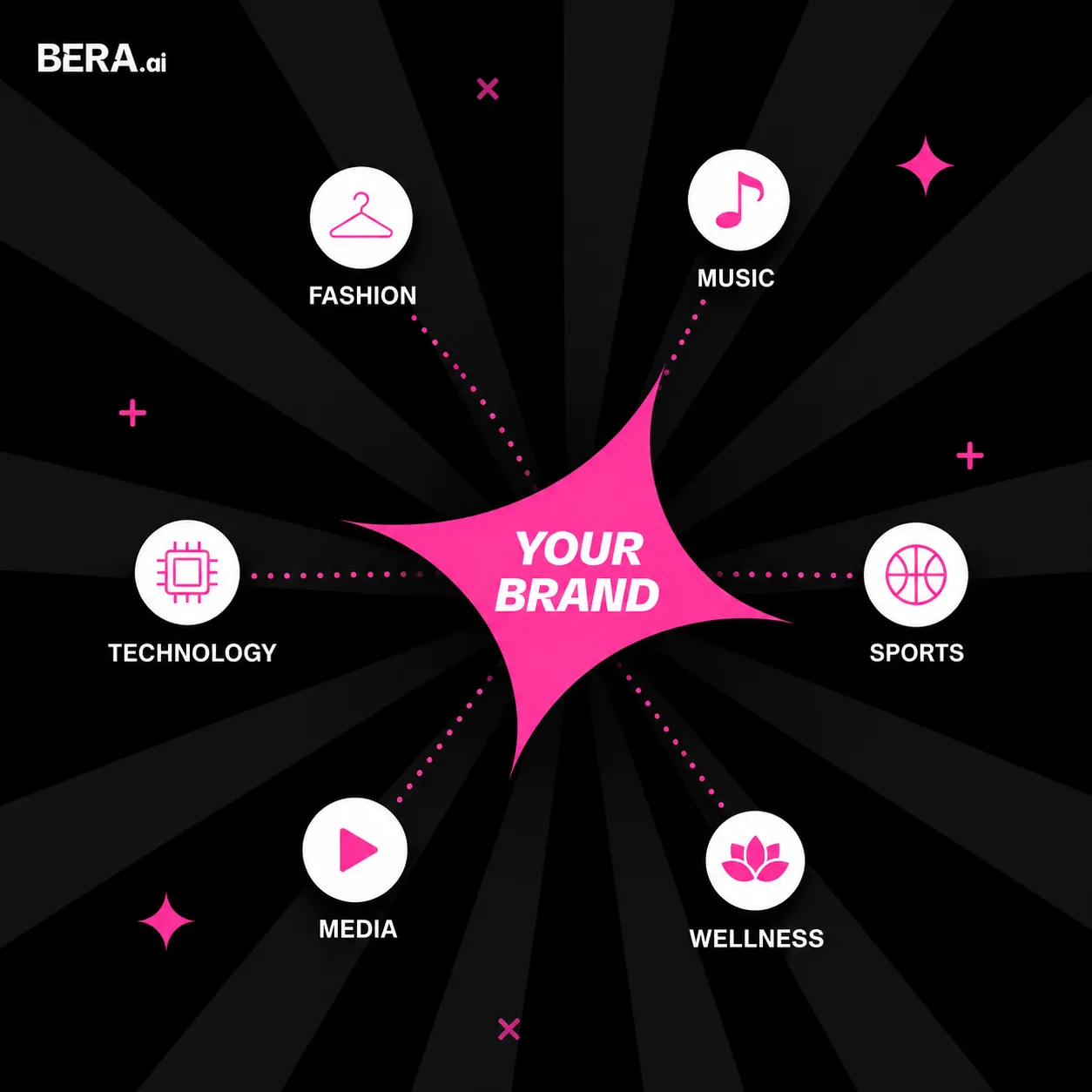
Consumers experience brands within a much broader cultural context than any category can capture. Trends, values, identities, lifestyles, entertainment, and communities all shape which brands feel relevant to them.A sneaker brand competes for attention alongside footwear companies, fashion labels, music, streetwear, and other brands connected to the same cultural space. A premium skincare brand may […]
LA28 Can Build Brand Strength From the Inside
During the panel discussion Made in America — How LA28 Is Rewriting the Rules of Sports Marketing, presented at Sport Beach during Cannes Lions 2026, the conversation showed how a major partnership can build more than external visibility. Sponsorships like LA28 can give employees a clearer connection to the brand’s purpose, values, and role in […]
How LA28 Sponsors Can Demonstrate Real ROI Behind Olympic Investment
Olympic sponsorship comes with scale, cultural relevance, and visibility that few properties can match. According to BERA data, the Olympics rank as the most loved sporting event in the United States among adults 18-34, topping the Super Bowl, World Series, NBA Finals, Stanley Cup, and World Cup. That level of attention gives sponsors a strong […]
LA28 Sponsors Need to Give Fans a Reason to Engage
Fans actively engage with brands during the Olympics, but the strongest relationships are built by giving consumers something worth engaging with. BERA’s LA28 sponsorship research found that a majority of consumers enjoy when brands are closely integrated into the Olympic viewing experience, especially when sponsors provide behind-the-scenes athlete content, travel or ticket packages, athlete stories, […]
LA28 Will Change How Olympic Audiences Are Reached
LA28 will be a much more distributed viewing experience than past U.S. Olympics. People still want the scale and spectacle of the Games, but they now expect to follow the Olympics across streaming, TV, highlights, social video, creator content, and shared viewing moments. BERA’s LA28 sponsorship research found that 77% of consumers plan to follow […]
The New Brand Perception Gap: How AI Changes the Way Brands Are Understood

Marketers have always understood that perception drives growth. Familiarity creates mental availability, meaningfulness creates relevance, and uniqueness protects a brand from becoming interchangeable. Most brand strategy, media investment, and creative work ultimately serve the same goal: shaping how people understand and value a company over time. A growing share of those perceptions now forms inside […]
The FIFA World Cup Audience Defined

BERA.ai’s data on FIFA World Cup brand positioning gives marketing and communications teams a clearer picture of where the strongest audience alignment exists and where opportunities still remain. How Audiences Perceive the FIFA World Cup At a broad level, the World Cup scores strongly on attributes tied to Universal Connection and Sophistication, indicating that audiences […]