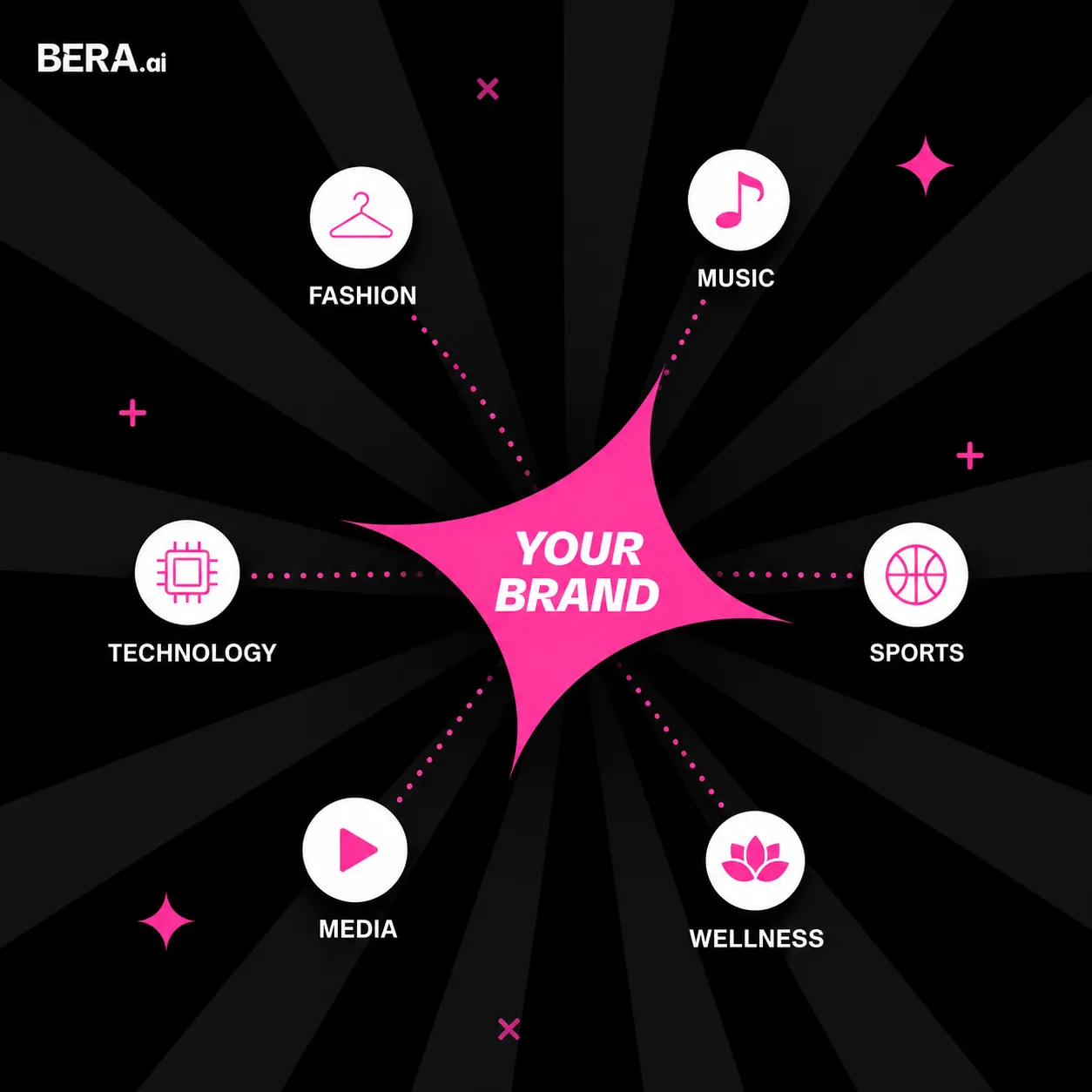
Consumers experience brands within a much broader cultural context than any category can capture. Trends, values, identities, lifestyles, entertainment, and communities all shape which brands feel relevant to them.
A sneaker brand competes for attention alongside footwear companies, fashion labels, music, streetwear, and other brands connected to the same cultural space. A premium skincare brand may compete with wellness retreats and boutique fitness brands for the same discretionary spending and aspirational identity.
This broader view creates what we call the cultural brandscape. It expands the competitive set to include the brands and experiences shaping how consumers see themselves, spend their attention, and make choices.
For marketers, the strategic question becomes clear: where does your brand sit within the culture your audience cares about, and how is that position affecting brand equity and business performance?
See your competitive position in a broader context
Traditional competitive analysis groups brands according to what they sell. Cultural context expands that view by showing which brands compete for similar attention, values, aspirations, and emotional territory.
That perspective can change how you interpret brand equity.
A brand may outperform its direct category competitors while losing relevance among the audiences it wants to reach. A brand from another industry may be building stronger associations with those same consumers.
A broader competitive view helps you understand where your brand has momentum, which audiences are driving it, where perceptions are changing, and which brands are gaining ground in the same cultural territory.
Measurement makes that context actionable. Tracking brand equity across audiences and competitive sets can show whether your intended position is taking hold and how changes in perception relate to consideration, preference, and business performance.
Build differentiation through brand meaning
Product attributes play an important role in brand choice, and competitors can often match them over time. Brand meaning creates another source of differentiation by establishing what the brand represents to people.
Nike offers a familiar example. Its position extends across sports, culture, identity, and social movements. Those associations give consumers reasons to connect with Nike beyond individual product features.
Strong brand meaning can deepen brand love and create associations that competitors have difficulty replicating. Shared values, experiences, and emotional connections become part of how consumers understand the brand and its role in their lives.
Marketers can measure whether that intended meaning is reaching the market. Which associations are strengthening? Which audiences connect most strongly with them? How does your position compare with the brands competing for the same cultural space?
Those answers make cultural positioning measurable and give teams a basis for refining strategy over time.
Use cultural signals to identify opportunities earlier
Culture develops through shifts in behavior, attitudes, language, communities, and values. Tracking changes in consumer perceptions and audience attitudes can help brands identify emerging opportunities before they become established market trends.
Airbnb built its early position around changing attitudes toward travel, community, access, and the sharing economy. Those shifts helped define an opportunity that extended beyond traditional hospitality.
Brands that recognize changing consumer expectations early have time to establish credibility and build meaningful associations before a cultural territory becomes crowded. Consistent measurement can also help teams determine whether a shift represents a lasting change in brand perception.
This gives marketers a stronger basis for deciding where to invest. You can see which audiences are changing, which brand associations are gaining or losing relevance, and how those changes connect to brand equity and business outcomes.
How to implement a cultural brandscape approach
Brands can put this approach into practice in four steps.
- Conduct a cultural audit
Map the cultural territories connected to your brand, including the trends, values, interests, and conversations shaping your audience. Identify the perceptions and associations that define your position within those spaces, then measure which audiences connect most strongly with them. - Expand the competitive set
Identify the brands competing for similar emotional territory, lifestyle relevance, discretionary spending, or attention. Include companies outside your category when they influence the same audiences or cultural spaces. Benchmarking against this broader set can reveal competitive pressures and opportunities that may not appear within a traditional category view. - Define and measure your cultural position
Establish the role you want your brand to play within that broader context. Ground the position in specific values, associations, and experiences your brand can credibly reinforce. Define the measures that indicate whether that position is strengthening brand equity. Track changes across audiences, competitors, and time so you can see where the strategy is working and where adjustments can create greater impact. - Connect brand equity to business performance
Track how changes in brand perceptions, associations, and equity relate to the outcomes your business cares about. That connection gives you a stronger basis for investment decisions. It helps you understand which changes matter, which audiences are driving them, what may be influencing those shifts, and where future growth opportunities exist.
A cultural brandscape gives you a broader view of the forces shaping consumer choice. When you connect that view to measurable changes in brand equity and business performance, you can identify competitive threats earlier, find new sources of differentiation, and make stronger decisions about where to invest next.